23 November 2026
What happens during a mobile car lockout visit
Presented by @torontolocknotes
What a mobile car lockout visit actually involves
Few things are as frustrating as standing beside your car with the keys visible inside, the doors locked, and no easy way in. A mobile car lockout service is designed to get you back behind the wheel without having to tow the vehicle to a shop. But what does that visit look like from start to finish? Understanding the process can help you know what to expect and why certain steps are necessary.
When you call a mobile locksmith for a car lockout, the dispatcher will ask for your location, the make and model of your vehicle, and sometimes your vehicle identification number. This information helps the technician prepare the right tools and know which locking system they are dealing with. Modern cars have a mix of mechanical locks, electronic key fobs, and transponder chips, so the approach varies by vehicle.
The arrival and initial assessment
The technician arrives in a service vehicle equipped with a range of tools. They will first confirm your identity and that you have a legitimate right to access the vehicle. This is a standard safety step. They may ask to see your driver's license and vehicle registration or proof of ownership. This protects you and the technician from potential theft situations.
Once verified, the technician walks around the car to understand the lock mechanism. On older models, there is a simple key blade and a manual lock cylinder. On newer cars, there may be no visible keyhole on the door handle at all, only a flush electronic fob reader. The technician needs to identify whether the issue is a mechanical jam, a broken key in the ignition, a dead key fob battery, or a fault with the keyless entry system. This assessment takes only a minute or two but determines the method they will use.
Non-destructive entry methods
For most lockouts, the goal is to open the car without causing any damage. The technician will use a set of specialized tools designed to work with the car's door frame and window seals. One common tool is a thin metal strip called a wedge. It gently pushes the weather stripping away from the glass, creating a small gap. Through that gap, the technician inserts a long, flexible rod with a hook or a loop at the end. With careful manipulation, they can reach the interior door handle or the lock button and open the door.
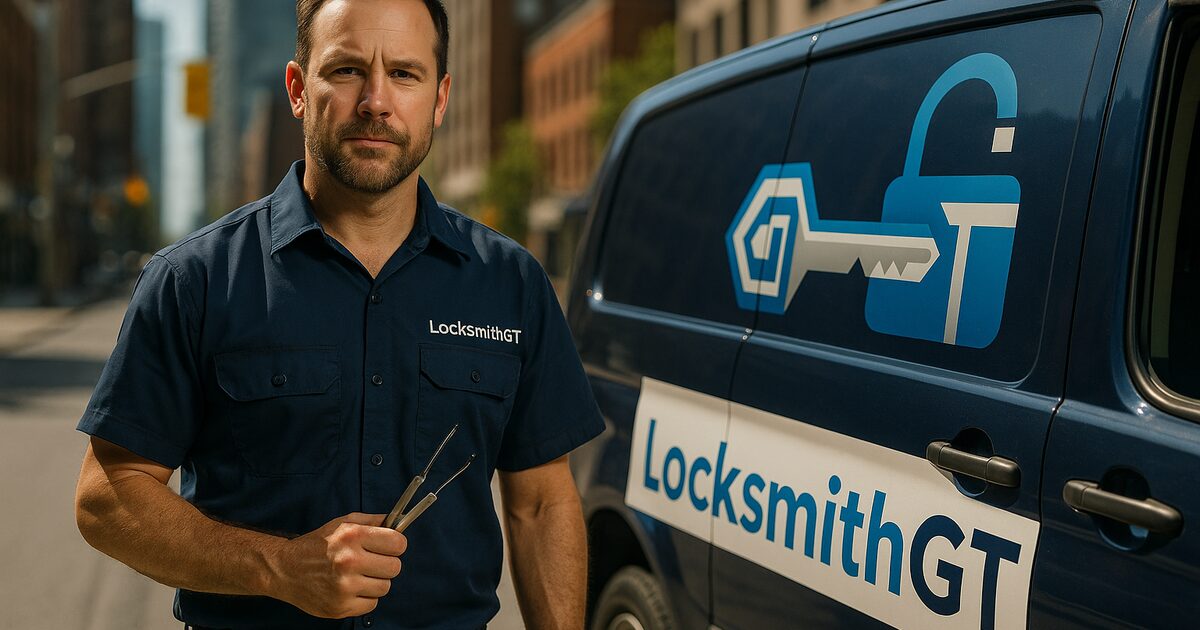
This method works on vehicles with manual lock buttons or standard door handles. It requires skill and patience because the rod must be guided around window tracks and other interior components without scratching the glass or the paint. A professional will use protective sleeves on the tools to avoid marring the surface. If the car has an electronic lock button on the center console, the rod may need to press that button directly, which is more delicate.
Another non-destructive method involves using an air wedge. This is a small inflatable bladder that is inserted between the door and the frame. When inflated, it creates a wider gap than a manual wedge, giving the technician more room to work. The air wedge is often used on cars with tight seals or those that have been locked for a while and the rubber has settled. Inflating it too much can damage the seal, so the technician controls the pressure carefully.
Working with electronic and fob systems
Many modern cars have keyless entry that relies on a key fob with a transponder chip. If the fob battery is dead or the fob itself has malfunctioned, the car may not recognize the signal. In such cases, the technician may have a portable device that can generate the correct frequency to unlock the door. This is not always possible because newer vehicles use rolling codes for security. The technician may need to access the car physically and then use diagnostic equipment plugged into the vehicle's onboard port to program a new key or fob.
Ignition cylinder problems can also cause a lockout. If the key turns in the cylinder but the car won't start, or if the key is stuck and won't come out, the technician may need to remove the ignition cylinder. This is a more involved process that requires disassembling parts of the steering column. They will then either repair or replace the cylinder and cut a new key blade to match. This is not a routine lockout but a common issue when a key breaks off inside the ignition.
Remote programming is another service that may come up during a lockout visit. If your key fob stops working after a battery change or a system reset, the technician can use specialized software to sync it with the car. This involves entering a sequence of actions, such as turning the ignition on and off a certain number of times, or using a diagnostic tool to communicate with the car's computer. The process varies by manufacturer and can take anywhere from a few minutes to half an hour.
Roadside safety during the visit
Being locked out often happens in inconvenient places: a parking lot, a busy street, or even a highway shoulder. The technician will take roadside safety seriously. They will park their service vehicle behind your car with hazard lights on to alert other drivers. They may set out reflective triangles or cones if the situation warrants it. You should stay inside the service vehicle or at a safe distance from traffic while they work. Never stand between your car and the technician's vehicle, as other drivers may not see you.
If the lockout happens at night, the technician will have work lights to illuminate the area. They will also be careful not to shine bright lights into the eyes of passing drivers. The whole process is designed to be as quick as possible to minimize your exposure to traffic.
What to expect time-wise
A straightforward lockout using a wedge and a rod usually takes between five and fifteen minutes once the technician is at your car. More complex situations, such as a broken key in the ignition or a dead fob that needs programming, can take thirty minutes to an hour. If the technician needs to create a new key from scratch, they may need to cut a key blade and program a transponder chip, which adds time but still happens on the spot in the service vehicle. They carry a key cutting machine and programming equipment with them.
The technician will explain what they are doing as they work, especially if the process is taking longer than usual. They will also let you know if the method they are using might cause any minor cosmetic marks, though they will take every precaution to avoid damage. If the lockout is due to a faulty door lock actuator, they may be able to temporarily open the door but will recommend a repair later at a shop.
For those who want to be prepared, it helps to have a spare key with a trusted friend or family member who can bring it to you. You can also keep a physical key blade separate from your key fob if your car allows it. But when those options aren't available, a mobile service like locksmithgt.com can send a technician directly to your location. The convenience of having the work done at the side of the road saves you the cost and hassle of a tow truck.
Proof of ownership and security
One question people often ask is why the technician needs to see identification and registration. The reason is simple: a car lockout service has the tools to open almost any vehicle. Without verifying ownership, those tools could be misused by someone who is not the owner. The technician will also note your vehicle identification number and sometimes record it for their records. This is a standard practice in the industry and helps maintain accountability.
If you are locked out of a rental car or a company vehicle, you may need to provide the rental agreement or a letter from the company authorizing the lockout. The technician will work with the documentation you have, but they cannot proceed without some proof that you have a right to the vehicle. This may feel like a delay, but it is a critical safeguard for everyone involved.

After the door is open
Once the door is open, the technician will test the lock and key to make sure everything functions normally. If the issue was a dead key fob battery, they may suggest replacing it soon or show you how to use the physical key blade hidden inside the fob. If the lock cylinder was the problem, they will explain what needs to be done to fix it permanently. They will not leave until you can access the vehicle and start it, if that is part of the service.
Some lockout visits end with the technician recommending a follow-up service, such as rekeying the ignition cylinder or replacing a worn key blade. This is not a sales pitch but a practical suggestion to prevent another lockout. A worn key can slip or break inside the lock, and a worn cylinder can fail to turn. Catching those issues early saves you from another roadside emergency.
Mobile car lockout services are designed to be a one-visit solution. The technician brings everything needed to handle most common scenarios. Whether it is a simple unlock, a key extraction, or a new key cut and programmed, the work happens at your location. The company locksmithgt.com has built its service around this model, sending mobile technicians across Toronto for exactly these situations. Knowing what happens during the visit can make the experience less stressful and help you understand the value of having a professional handle the job.